통합 검색
통합 검색
-scape
영화는 세계가 감각되는 방식을 새롭게 직조한다. 그 감각이 생성되는 자리로서 풍경은 지나간 시간과 현재의 삶이 겹쳐있는 장소다. 시간, 역사, 삶은 영화의 리듬과 이미지를 만드는 하나의 조건으로 존재한다. -scape는 영화 고유의 풍경, 세계, 그리고 그 안에서 발생하는 영화 언어를 탐색하는 섹션이다. 10주년을 맞이한 부산 인터시티 영화제가 더 넓은 시야에서 영화의 감각을 읽어보려는 시도이기도 하다. 올해는 장률의 <춘슈>와 오다 카오리의 <후쿠시마의 벨라 타르> 두 편으로 시작한다. 청두와 후쿠시마, 이들은 지난 시간과 기억, 삶이 깃든 장소로 작동한다. 장률은 <춘슈>에서 사건을 비워낸 자리에 인물이 지닌 마음의 행로를 옮겨놓았다. 개발의 이름 아래 융성과 쇠퇴를 반복하는 청두의 공간들과 거리는 또하나의 인물처럼 보인다. <후쿠시마의 벨라 타르>는 재난이 지나간 자리에서 다시 삶을 일궈가는 사람들, 그리고 그들을 바라보는 카메라의 태도를 벨라 타르의 워크숍을 매개로 성찰한다. 이들은 사라진 것, 남겨진 것, 다시 말해 변화하는 장소와 지속되는 삶을 통해 이 풍경들이 어떻게 영화의 언어로 형성되는지 보여준다. 영화가 구축하는 이 풍경의 지형들을 따라 접속한 세계에서, 세계를 감각하는 새로운 방식과 만나기 바란다.
김지연
Film reconfigures the ways in which the world is perceived. As the site where this perception takes shape, landscape is a place where past time and present life overlap. Time, history, and lived experience exist as conditions that shape the rhythm and images of cinema. –scape is a section that explores cinema’s distinctive landscapes, the worlds they construct, and the cinematic language that emerges within them. It also reflects the Busan Inter-City Film Festival’s tenth anniversary and its attempt to engage with cinematic perception from a broader perspective. This year’s program presents Zhang Lu’s Mothertongue and Kaori Oda’s Béla Tarr in Fukushima. Chengdu and Fukushima function as places marked by accumulated time, memory, and lived experience. In Mothertongue, Zhang Lu shifts attention away from narrative incident to the emotional trajectory of his characters. The streets and spaces of Chengdu, repeatedly transformed by cycles of development, prosperity, and decline, come to assume the presence of another character. Béla Tarr in Fukushima reflects on those rebuilding their lives in the aftermath of disaster, and on the camera’s relationship to them through the framework of Béla Tarr’s workshop. Together, these films reveal how cinematic language takes shape through what has disappeared, what remains, and the interplay between changing places and enduring lives. We invite audiences to follow these cinematic landscapes and encounter new ways of perceiving the world through the worlds that cinema creates.
GIM Jiyeon
-scape
영화는 세계가 감각되는 방식을 새롭게 직조한다. 그 감각이 생성되는 자리로서 풍경은 지나간 시간과 현재의 삶이 겹쳐있는 장소다. 시간, 역사, 삶은 영화의 리듬과 이미지를 만드는 하나의 조건으로 존재한다. -scape는 영화 고유의 풍경, 세계, 그리고 그 안에서 발생하는 영화 언어를 탐색하는 섹션이다. 10주년을 맞이한 부산 인터시티 영화제가 더 넓은 시야에서 영화의 감각을 읽어보려는 시도이기도 하다. 올해는 장률의 <춘슈>와 오다 카오리의 <후쿠시마의 벨라 타르> 두 편으로 시작한다. 청두와 후쿠시마, 이들은 지난 시간과 기억, 삶이 깃든 장소로 작동한다. 장률은 <춘슈>에서 사건을 비워낸 자리에 인물이 지닌 마음의 행로를 옮겨놓았다. 개발의 이름 아래 융성과 쇠퇴를 반복하는 청두의 공간들과 거리는 또하나의 인물처럼 보인다. <후쿠시마의 벨라 타르>는 재난이 지나간 자리에서 다시 삶을 일궈가는 사람들, 그리고 그들을 바라보는 카메라의 태도를 벨라 타르의 워크숍을 매개로 성찰한다. 이들은 사라진 것, 남겨진 것, 다시 말해 변화하는 장소와 지속되는 삶을 통해 이 풍경들이 어떻게 영화의 언어로 형성되는지 보여준다. 영화가 구축하는 이 풍경의 지형들을 따라 접속한 세계에서, 세계를 감각하는 새로운 방식과 만나기 바란다.
김지연
Film reconfigures the ways in which the world is perceived. As the site where this perception takes shape, landscape is a place where past time and present life overlap. Time, history, and lived experience exist as conditions that shape the rhythm and images of cinema. –scape is a section that explores cinema’s distinctive landscapes, the worlds they construct, and the cinematic language that emerges within them. It also reflects the Busan Inter-City Film Festival’s tenth anniversary and its attempt to engage with cinematic perception from a broader perspective. This year’s program presents Zhang Lu’s Mothertongue and Kaori Oda’s Béla Tarr in Fukushima. Chengdu and Fukushima function as places marked by accumulated time, memory, and lived experience. In Mothertongue, Zhang Lu shifts attention away from narrative incident to the emotional trajectory of his characters. The streets and spaces of Chengdu, repeatedly transformed by cycles of development, prosperity, and decline, come to assume the presence of another character. Béla Tarr in Fukushima reflects on those rebuilding their lives in the aftermath of disaster, and on the camera’s relationship to them through the framework of Béla Tarr’s workshop. Together, these films reveal how cinematic language takes shape through what has disappeared, what remains, and the interplay between changing places and enduring lives. We invite audiences to follow these cinematic landscapes and encounter new ways of perceiving the world through the worlds that cinema creates.
GIM Jiyeon
-scape 01

춘슈
Mothertongue
장률 ZHANG Lu
China┃2025┃123min┃15+
2026.08.29. 11:00 - 13:03 영화의전당 소극장 CinemaⅡ
-scape 01
춘슈
Mothertongue
장률 ZHANG Lu
China┃2025┃123min┃15+
2026.08.29. 11:00 - 13:03 영화의전당 소극장 CinemaⅡ
-scape 02
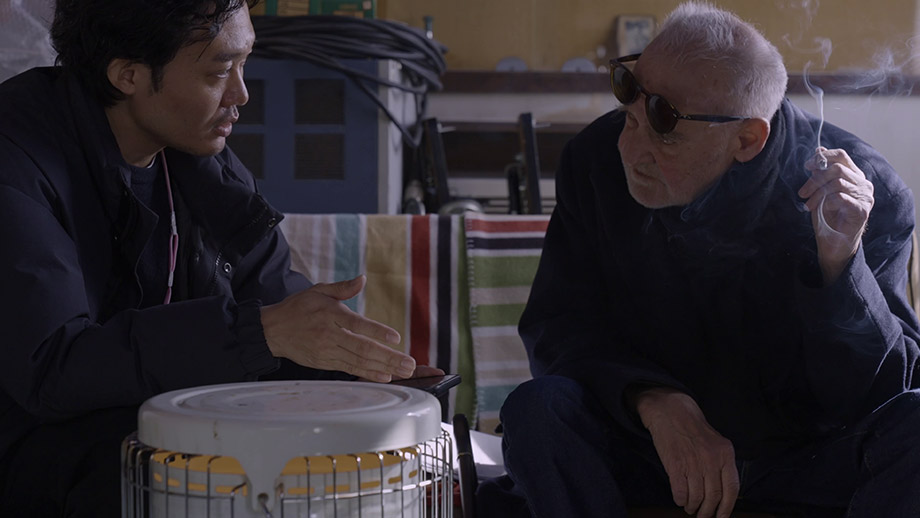
후쿠시마의 벨라타르
FUKUSHIMA with BÉLA TARR
오다 카오리 Oda Kaori
Osaka┃2025┃180min┃15+
2026.08.28. 19:10 - 22:10 영화의전당 소극장 CinemaⅡ
2026.08.30. 17:00 - 20:00 무사이극장 Mousai Cinema
-scape 02
후쿠시마의 벨라타르
FUKUSHIMA with BÉLA TARR
오다 카오리 Oda Kaori
Osaka┃2025┃180min┃15+
2026.08.28. 19:10 - 22:10 영화의전당 소극장 CinemaⅡ
2026.08.30. 17:00 - 20:00 무사이극장 Mousai Cinema


