통합 검색
통합 검색
Drawing City 01
Lost in Bosnia
로스트 인 보스니아
가지 알쿠드시 외
Documentary┃Color┃94min ┃2014┃Sarajevo┃15+
2026. 08. 30. 14:30 - 17:04 영화의전당 소극장 CinemaⅡ
CINETALK
시놉시스 Synopsis
<로스트 인 보스니아>는 영화 제작과 영화 자체에 바치는 한 편의 시네마틱한 시다. 거장 벨라 타르의 ‘필름 팩토리’라는 비전 아래 모인 11명의 감독들이 공동 연출한 이 작품은, 무엇이 우리로 하여금 끊임없이 영화를 만들게 하는가라는 근원적인 질문을 탐구한다.
LOST IN BOSNIA is a cinematic poem to filmmaking and film itself. Directed by 11 filmmakers, all under the vision of Béla Tarr's 'film.factory', delving into what keeps us making films.
프로그램 노트 Program Notes
벨라 타르의 영화학교 필름 팩토리는 전통적인 영화학교라기보다 영화를 실험하는 공동체, 혹은 나의 실험실이었다. 그는 제작 규칙을 가르치는 스승이 아니라 학생들과 함께 영화를 만드는 동료이고자 했다. <로스트 인 보스니아>는 그 여정이 집약된 프로젝트다. 11명의 연출자가 하나의 질문과 여섯 개의 규칙 아래, 각자의 방식으로 보스니아를 배회했다. 흥미로운 사실은 이들이 벨라 타르의 미학을 복제하지는 않는다는 점이다. 다큐멘터리, 픽션, 퍼포먼스, 개인적 기록, 정치·사회적 풍경이 자유롭게 영화 안에 자유롭게 혼재되어 있다. 서로 다른 문화권에서 온 연출자들이 자신의 영화 언어를 시험하는 이 과정은, 훗날 각자의 필모그래피로 이어질 미학적 단서가 된다. 오다 카오리, 김남석 같은 이들의 감각도 이미 여기에서부터 자신의 감각을 보여준다. 필름 팩토리는 2017년 문을 닫았고 이제 벨라 타르도 우리 곁에 없지만, 그 영향은 여전히 이들의 작업 속에 살아 있다.
_김지연
Bela Tarr’s film school, film.factory, was less a traditional film school than a community for cinematic experimentation—or even a laboratory of my own. He did not seek to be a master who simply taught the rules of filmmaking, but rather a fellow filmmaker who created films alongside his students. Lost in Bosnia is a project that embodies this journey. Under one shared question and six guiding rules, eleven directors wandered through Bosnia in their own distinct ways. What is particularly fascinating is that they do not simply replicate Béla Tarr’s aesthetic. Documentary, fiction, performance, personal records, and political and social landscapes freely coexist within the film. This process, in which filmmakers from different cultural backgrounds test and develop their own cinematic languages, became an aesthetic foundation that would later extend into their individual filmographies. The distinctive sensibilities of filmmakers such as Kaori Oda and Namseok Kim are already visible here. film.factory closed its doors in 2017, and Bela Tarr is no longer with us, but his influence continues to live on in the works of these filmmakers.
_GIM Jiyeon
Drawing City 01
Lost in Bosnia
로스트 인 보스니아
가지 알쿠드시 외 | Documentary┃Color┃94min┃2014┃Sarajevo┃15+
2026. 08. 30. 14:30 - 17:04 영화의전당 소극장 CinemaⅡ CINETALK

시놉시스 Synopsis
<로스트 인 보스니아>는 영화 제작과 영화 자체에 바치는 한 편의 시네마틱한 시다. 거장 벨라 타르의 ‘필름 팩토리’라는 비전 아래 모인 11명의 감독들이 공동 연출한 이 작품은, 무엇이 우리로 하여금 끊임없이 영화를 만들게 하는가라는 근원적인 질문을 탐구한다.
LOST IN BOSNIA is a cinematic poem to filmmaking and film itself. Directed by 11 filmmakers, all under the vision of Béla Tarr's 'film.factory', delving into what keeps us making films.
프로그램 노트 Program Notes
벨라 타르의 영화학교 필름 팩토리는 전통적인 영화학교라기보다 영화를 실험하는 공동체, 혹은 실험실이었다. 그는 제작 규칙을 가르치는 스승이 아니라 학생들과 함께 영화를 만드는 동료이고자 했다. <로스트 인 보스니아>는 그 여정이 집약된 프로젝트다. 11명의 연출자가 하나의 질문과 여섯 개의 규칙 아래, 각자의 방식으로 보스니아를 배회했다. 흥미로운 사실은 이들이 벨라 타르의 미학을 복제하지는 않는다는 점이다. 다큐멘터리, 픽션, 퍼포먼스, 개인적 기록, 정치·사회적 풍경이 자유롭게 영화 안에 자유롭게 혼재되어 있다. 서로 다른 문화권에서 온 연출자들이 자신의 영화 언어를 시험하는 이 과정은, 훗날 각자의 필모그래피로 이어질 미학적 단서가 된다. 오다 카오리, 김남석 같은 이들의 감각도 이미 여기에서부터 자신의 감각을 보여준다. 필름 팩토리는 2017년 문을 닫았고 이제 벨라 타르도 우리 곁에 없지만, 그 영향은 여전히 이들의 작업 속에 살아 있다.
김지연
Bela Tarr’s film school, film.factory, was less a traditional film school than a community for cinematic experimentation—or even a laboratory of my own. He did not seek to be a master who simply taught the rules of filmmaking, but rather a fellow filmmaker who created films alongside his students. Lost in Bosnia is a project that embodies this journey. Under one shared question and six guiding rules, eleven directors wandered through Bosnia in their own distinct ways. What is particularly fascinating is that they do not simply replicate Béla Tarr’s aesthetic. Documentary, fiction, performance, personal records, and political and social landscapes freely coexist within the film. This process, in which filmmakers from different cultural backgrounds test and develop their own cinematic languages, became an aesthetic foundation that would later extend into their individual filmographies. The distinctive sensibilities of filmmakers such as Kaori Oda and Namseok Kim are already visible here. film.factory closed its doors in 2017, and Bela Tarr is no longer with us, but his influence continues to live on in the works of these filmmakers.
GIM Jiyeon
감독 Director

그레임 콜 Graeme Cole

오다 카오리 Oda Kaori
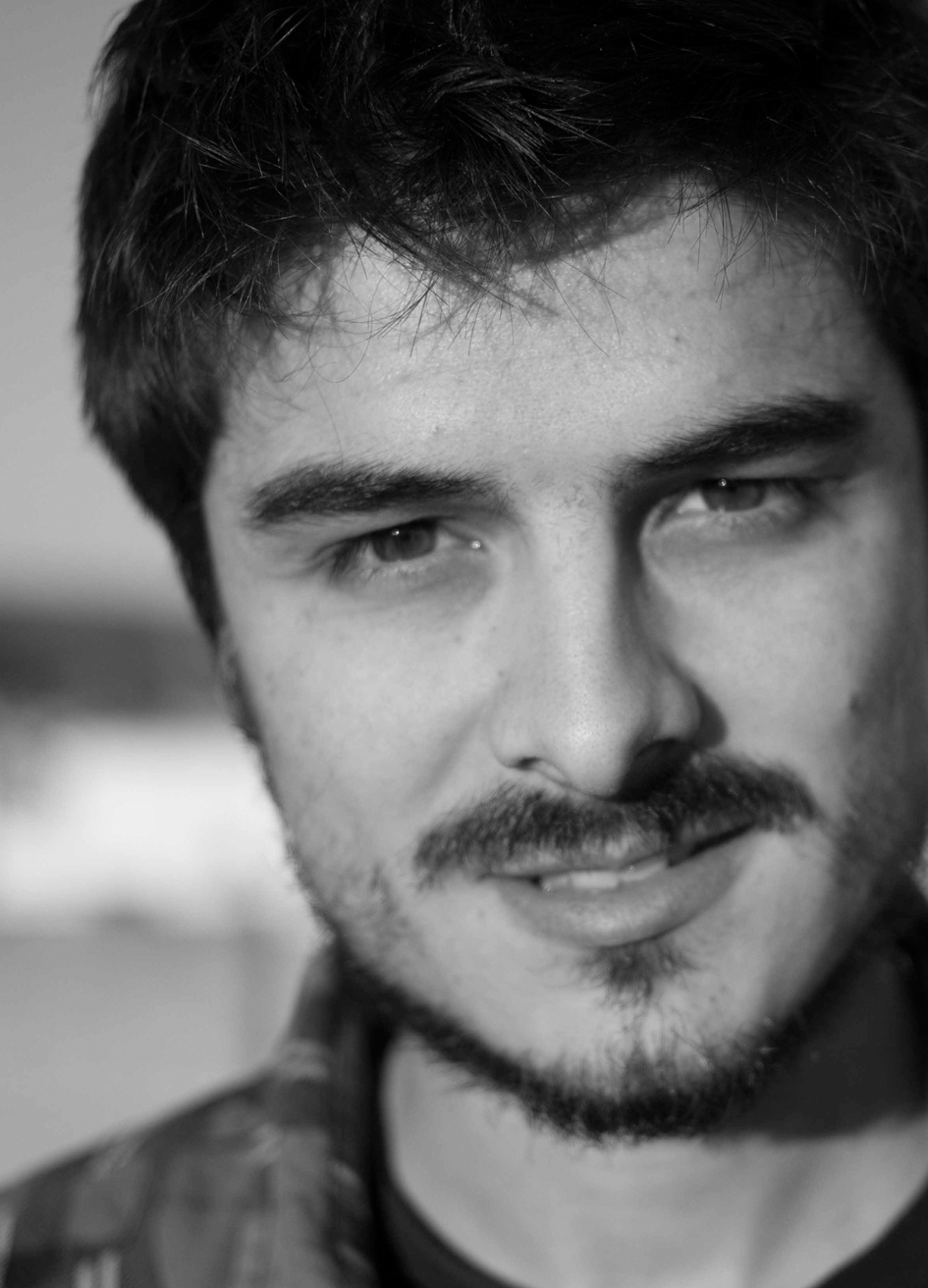
마넬 라가 Manel Raga

김남석 Kim Namsuk
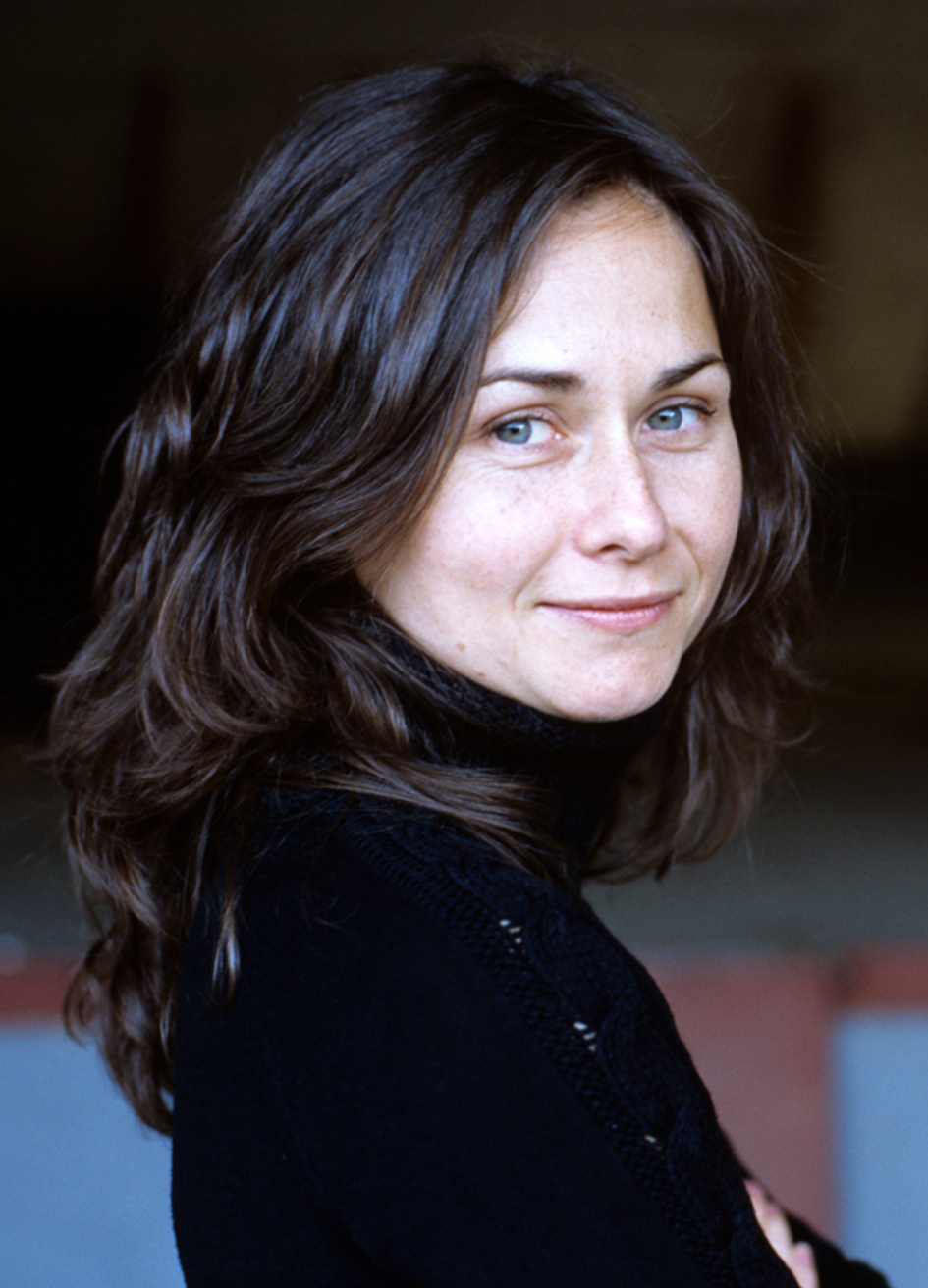
알렉산드라 님지크
Aleksandra Niemczyk
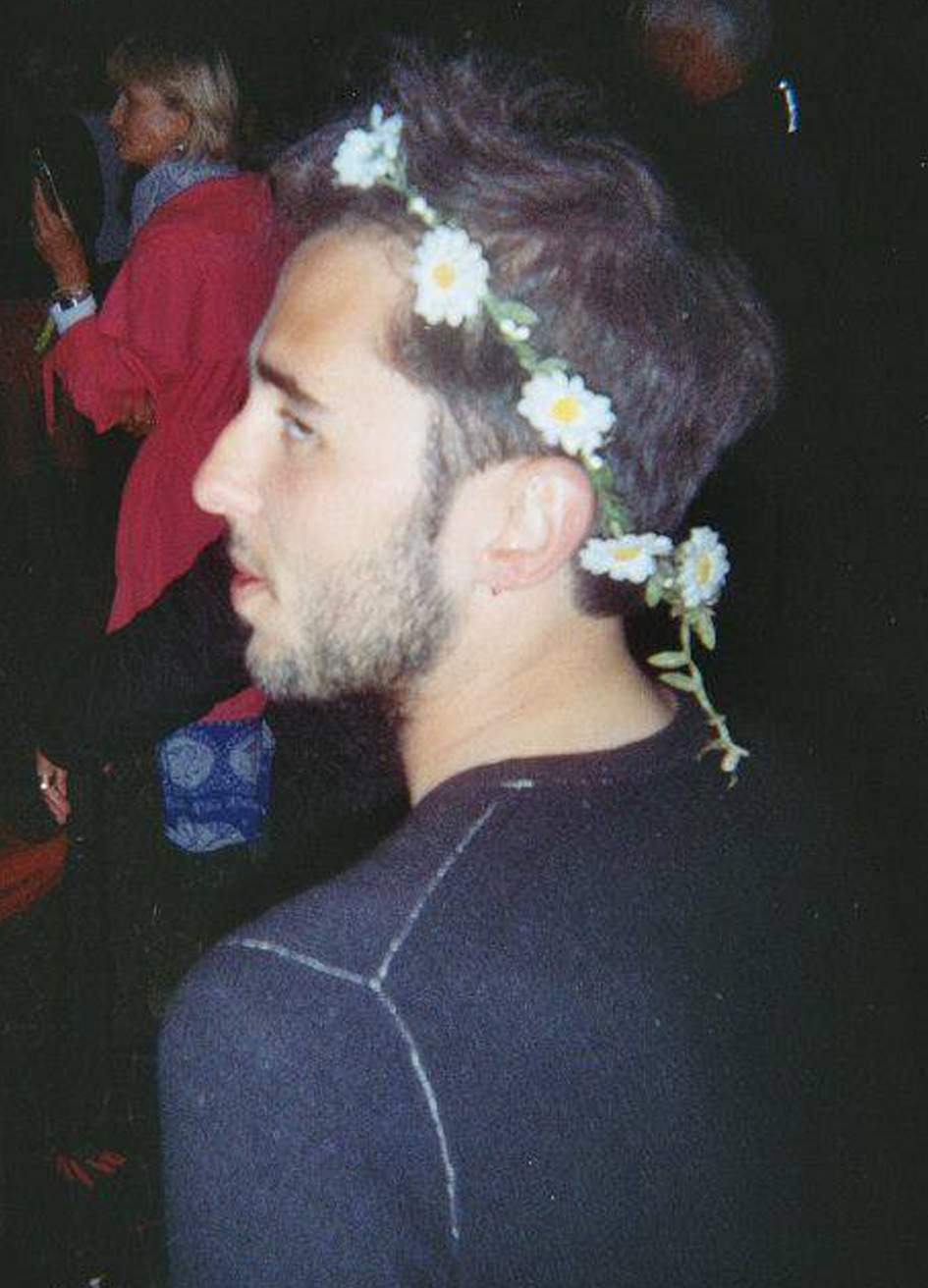
그랜트 굴친스키
Grant Gulczynski

페르난도 노가리
Fernando Nogari

패트릭 마샬
Patrick Marshall

순치차 프라델리치
Sunčica Fradelić
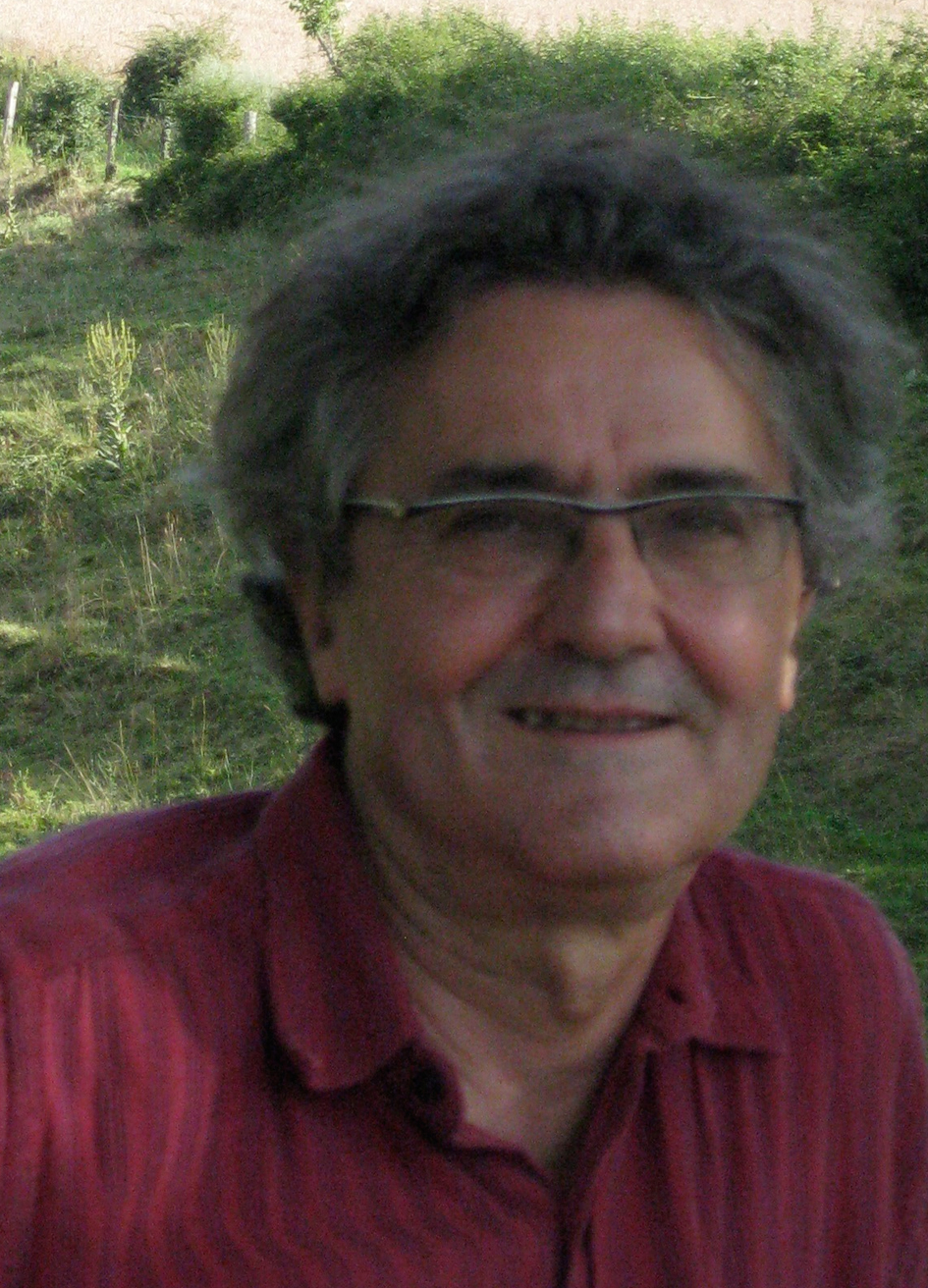
티에리 가렐
Thierry Garrel
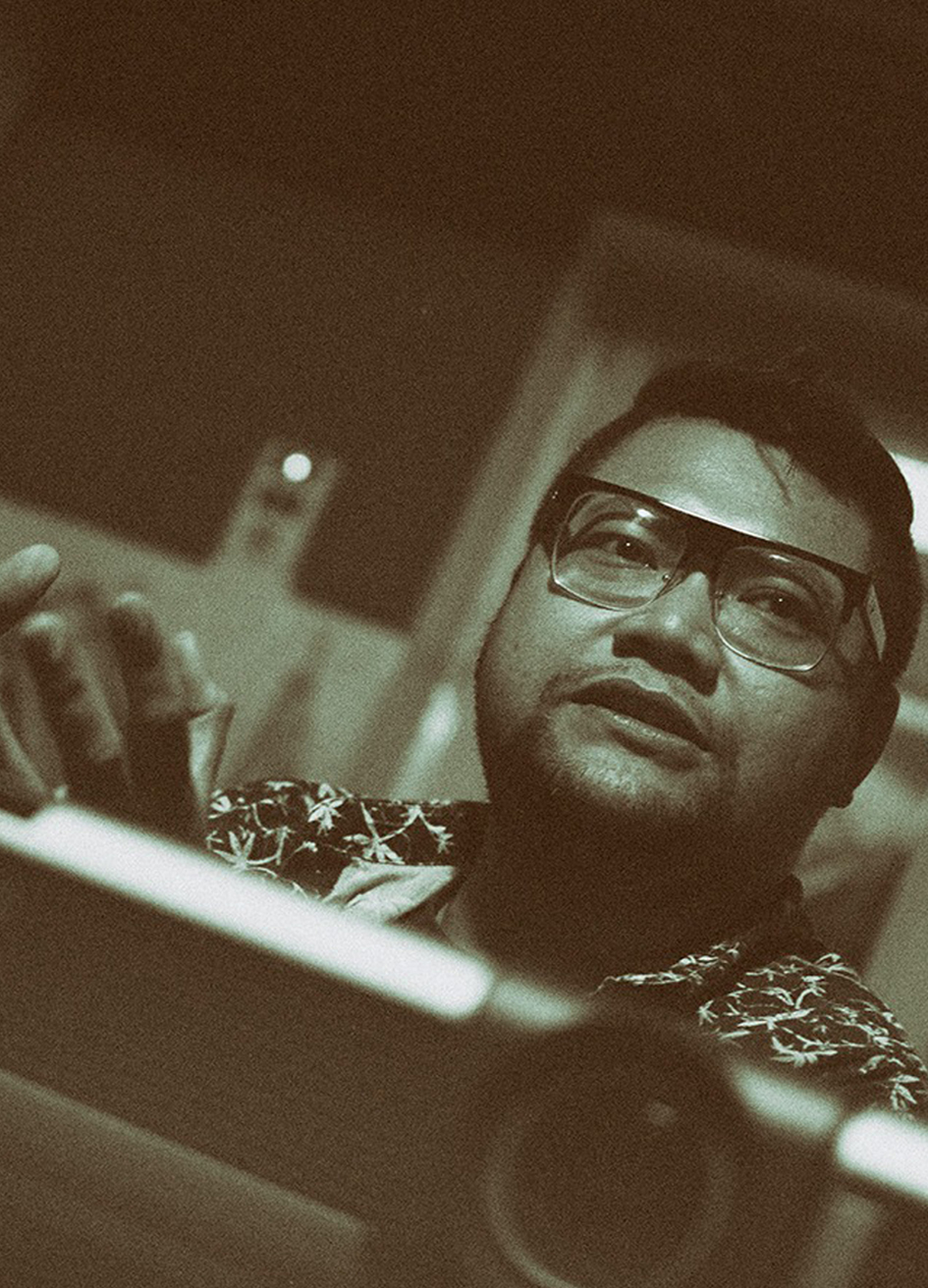
가지 알쿠드시
Ghazi Alqudcy
감독 Director
그레임 콜 Graeme Cole
오다 카오리 Oda Kaori
마넬 라가 Manel Raga
김남석 Kim Namsuk
알렉산드라 님지크 Aleksandra Niemczyk
그랜트 굴친스키 Grant Gulczynski
페르난도 노가리 Fernando Nogari
패트릭 마샬 Patrick Marshall
순치차 프라델리치 Sunčica Fradelić
티에리 가렐 Thierry Garrel
가지 알쿠드시 Ghazi Alqudcy


